Storing Furniture and Belongings Through a Gold Coast Summer
Gold Coast summers are warm, humid, and long. The same conditions that draw people to the region are tough on stored furniture, fabrics, electronics, and paperwork. If you are planning to leave belongings in self storage for more than a few weeks during the warmer months, a small amount of preparation now will save you from finding mildewed cushions, warped wooden furniture, or rusted tools when you open the unit later. This guide covers what to do before move-in, the unit features that actually matter in our climate, and the simple habits that keep your gear in good shape year-round.
Why a Gold Coast Summer Is Hard on Stored Items
Summer in this part of Queensland brings high humidity, frequent rain, and warm overnight temperatures that never quite let stored goods dry out. Humidity is the real enemy. It encourages mould on fabric and leather, warps wood, fogs glass, corrodes metal, and shortens the life of electronics. Add pests that thrive in warm weather, and you have a season that needs a little planning.
Choose the Right Unit
Not every storage facility is created equal in our climate. The features that actually matter on the Gold Coast are:
- A dry, well-maintained building with no roof or floor leaks
- Active pest control across the whole site
- Good ventilation to let warm air move rather than sit
- A sealed, lockable unit that keeps insects and rodents out
Our Nerang facility ticks all of these boxes. Every unit is fully enclosed, the site is monitored 24/7, and pest control is part of how we run the property rather than a once-a-year visit. If you are considering longer-term storage, have a look at our Gold Coast self storage overview for the full picture.
Protecting Wood Furniture
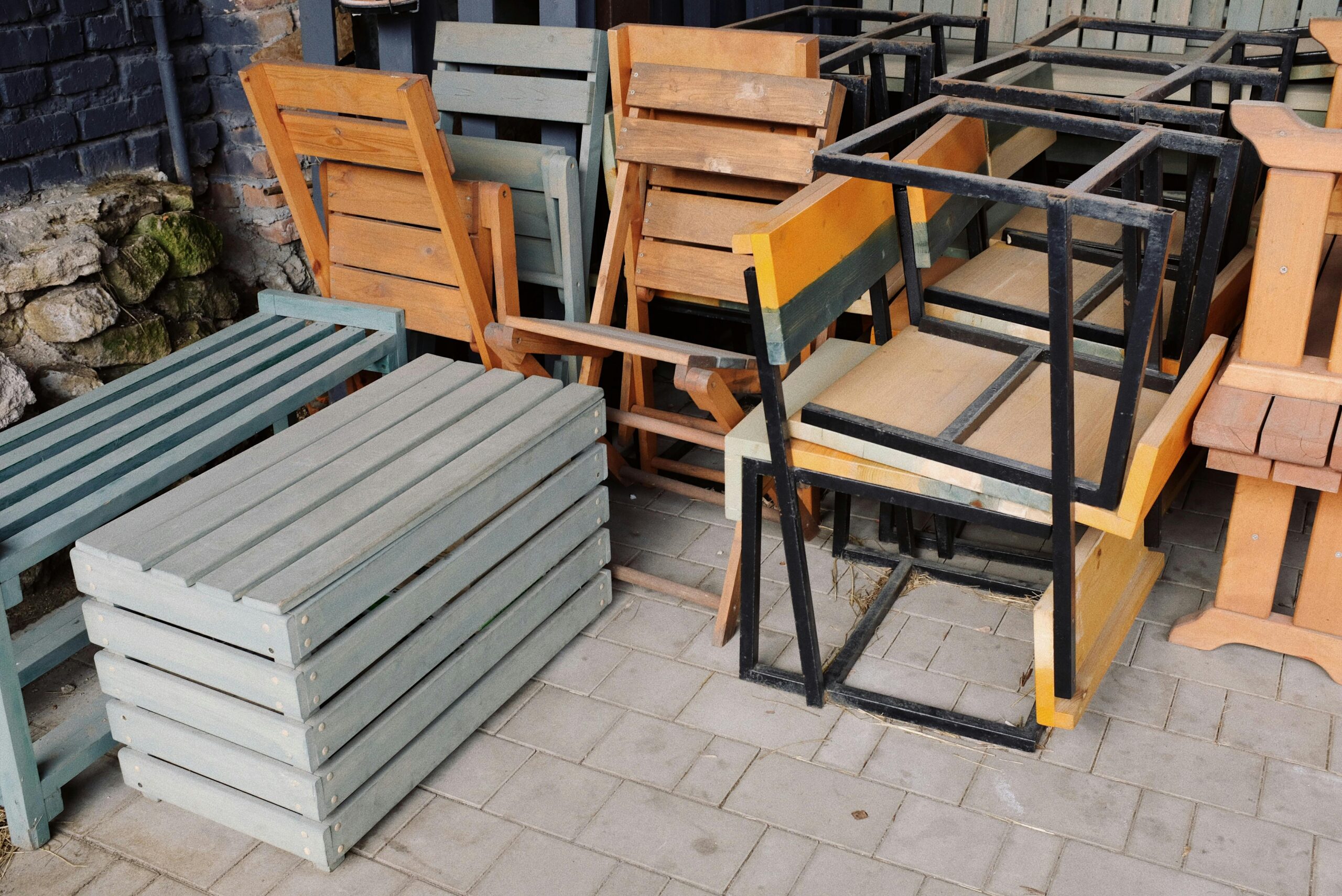
Wood expands and contracts with humidity. Before storing wooden furniture, give it a clean and a light coat of furniture polish or beeswax. Loosen any tight joints so they have room to move. Stand pieces off the bare concrete floor on pallets or a sheet of cardboard, which helps stop moisture wicking up. Wrap pieces in breathable furniture covers or old sheets rather than plastic, which traps condensation.
Looking After Fabric and Upholstery
Lounges, mattresses, curtains, and rugs all need to be completely dry and clean before they go in. A single damp cushion in a sealed unit through January will cause problems for everything around it. Vacuum, spot-clean, and air items in the sun for a day before move-in. Wrap them in proper fabric covers that allow some airflow. Keep upholstered furniture raised off the floor and away from the unit walls.
Electronics and Appliances
Heat shortens the life of capacitors and screens, and humidity is no friend to circuitry. Back up data, remove batteries, and store electronics in their original boxes where possible. For TVs, computers, and audio gear, a layer of bubble wrap inside a sealed plastic tub gives extra protection. White goods such as fridges and washing machines should be drained, dried completely, and stored with their doors slightly open to prevent musty odours and mould.
Documents, Books, and Photos
Paper is one of the most humidity-sensitive things you can store. Cardboard boxes are fine for clothes and crockery but not for important records or family photos. Use sealed plastic tubs instead, ideally with a small silica gel pack inside. Stack tubs slightly away from the unit walls so air can circulate, and keep them off the floor on a pallet or a couple of bricks.
Tools and Sports Gear
Wipe tools clean of moisture and apply a light coat of oil to metal surfaces before storing. Bikes, surfboards, golf clubs, and fishing gear all benefit from a rinse, dry, and protective cover. Anything that came home wet from a recent outing must be fully dry before it goes in, or it will start to corrode quickly in a warm unit.
Small Habits That Make a Big Difference
The best long-term storage approach on the Gold Coast is to visit your unit occasionally. A quick look every few months lets you catch any issue early, air the space out, and check seasonal items are still in good shape. If you would like to talk through your situation before move-in, get in touch through our contact page and the team will happily advise. Our packaging guide and on-site supplies have everything you need to get the job done properly.